Best Time to Visit Sri Lanka: A Month-by-Month Weather Guide
Discover the best time to visit Sri Lanka with our month-by-month guide to monsoons, regional sunshine, whale watching seasons, and hill country weather.
The best time to visit Sri Lanka depends on which part of the island you wish to explore. Because Sri Lanka experiences two distinct monsoon seasons affecting opposite coasts at different times of the year, there is good weather somewhere in the country in every month.
For the south coast, west coast, and the central tea hills, the driest months run from December to April. For the east coast around Trincomalee and Pasikudah, the sunniest skies and calmest seas occur between May and September. The ancient cities of the Cultural Triangle remain accessible throughout most of the year, receiving far less total rainfall than the coast.
Understanding the two monsoon seasons
Sri Lanka lies just north of the equator. Its climate is governed by two alternating wind systems.
The south-west monsoon, known locally as the Yala monsoon, lasts from May to September. It brings rainfall to the western coastline, southern beaches, and the western slopes of the central hills. Strong winds generate rough surf, making ocean swimming unsafe along the south and west coasts during these months.
The north-east monsoon, or Maha monsoon, runs roughly from November to February. It brings wind and rain across the Bay of Bengal to the eastern province, northern plains, and parts of the ancient cities. While the east is wet, the south and west enjoy dry skies and calm water.
Between these cycles sit two inter-monsoonal periods in March to April and October to November. These transition weeks bring light winds, higher humidity, and short afternoon thunderstorms, while mornings usually stay bright.
What tropical rain looks like in practice
Rain in Sri Lanka rarely means days of continuous grey skies. It usually arrives as an intense tropical downpour lasting thirty to sixty minutes in the late afternoon.
Clouds gather rapidly, drop heavy rain, and clear away quickly. Coastal temperatures stay warm at 28 to 32 degrees Celsius, and roads dry quickly in the heat. Aside from rare tropical depressions, rain seldom disrupts sightseeing or keeps you indoors for an entire day.
The best time to visit Sri Lanka by region
Because central mountains divide the island into distinct climatic zones, matching your route to the seasons ensures ideal conditions. Our destinations guide breaks down each area in detail.
The south and west coasts
From Bentota and Galle down to Mirissa and Tangalle, the peak season runs from December to April. Ocean waters are calm and clear, making this the best period for swimming, coastal walks, and boat trips. Rain increases from May through September, producing choppy surf. Even in wetter months, the south coast often sees sunny mornings between showers. For winter travel along these shores, our gentle south coast route follows the calmest beaches.
The central hill country
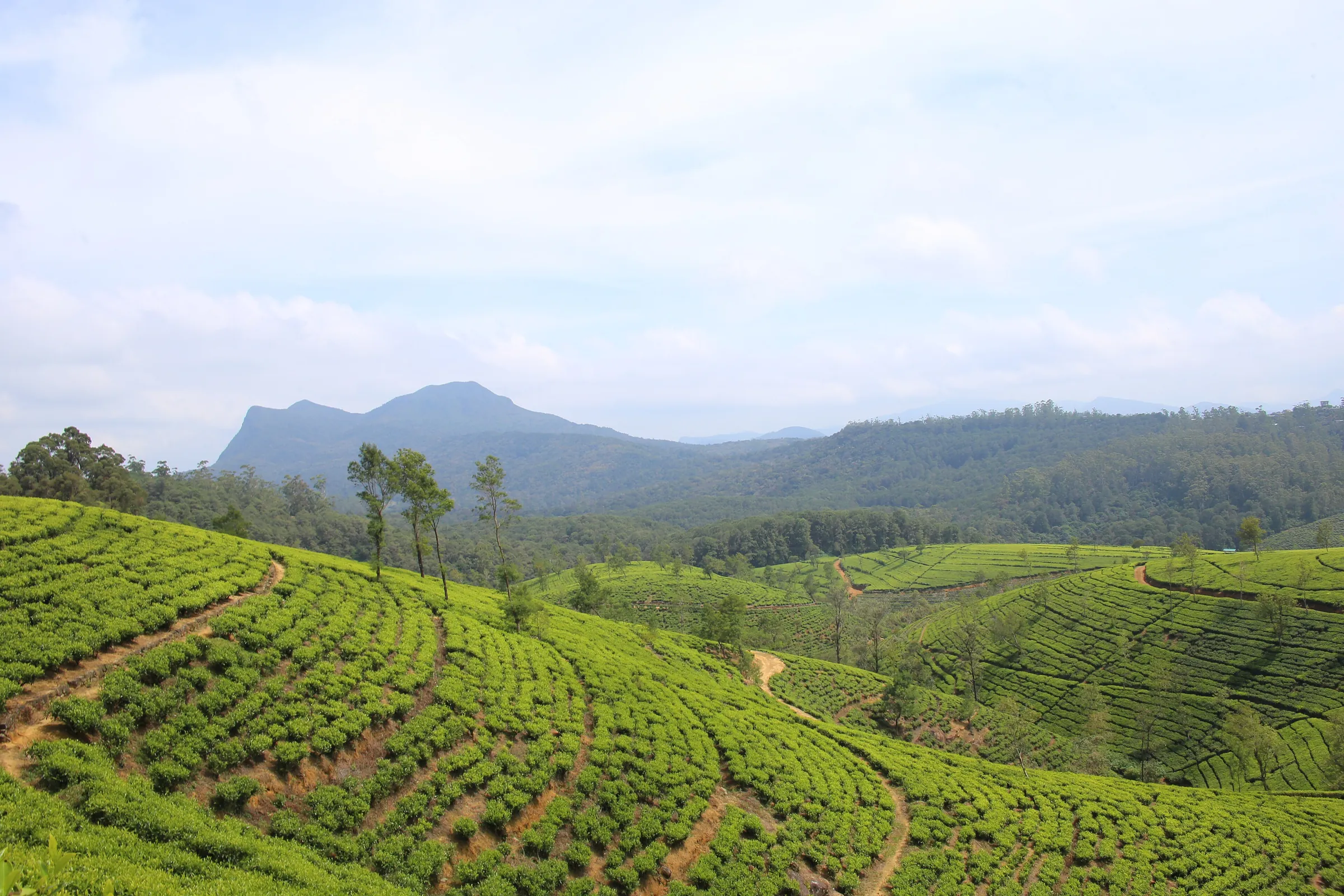
The tea hills of Kandy, Hatton, Nuwara Eliya, and Ella sit between 500 and 2,000 metres above sea level. Temperatures are mild by day and cool at night, often dropping below 15 degrees Celsius. The driest window runs from January through April, offering clear views for walking tea estates and hiking the Pekoe Trail. The hills receive rain from both monsoons, but remain green year-round. Our hill country train journey runs in every season.
The east coast
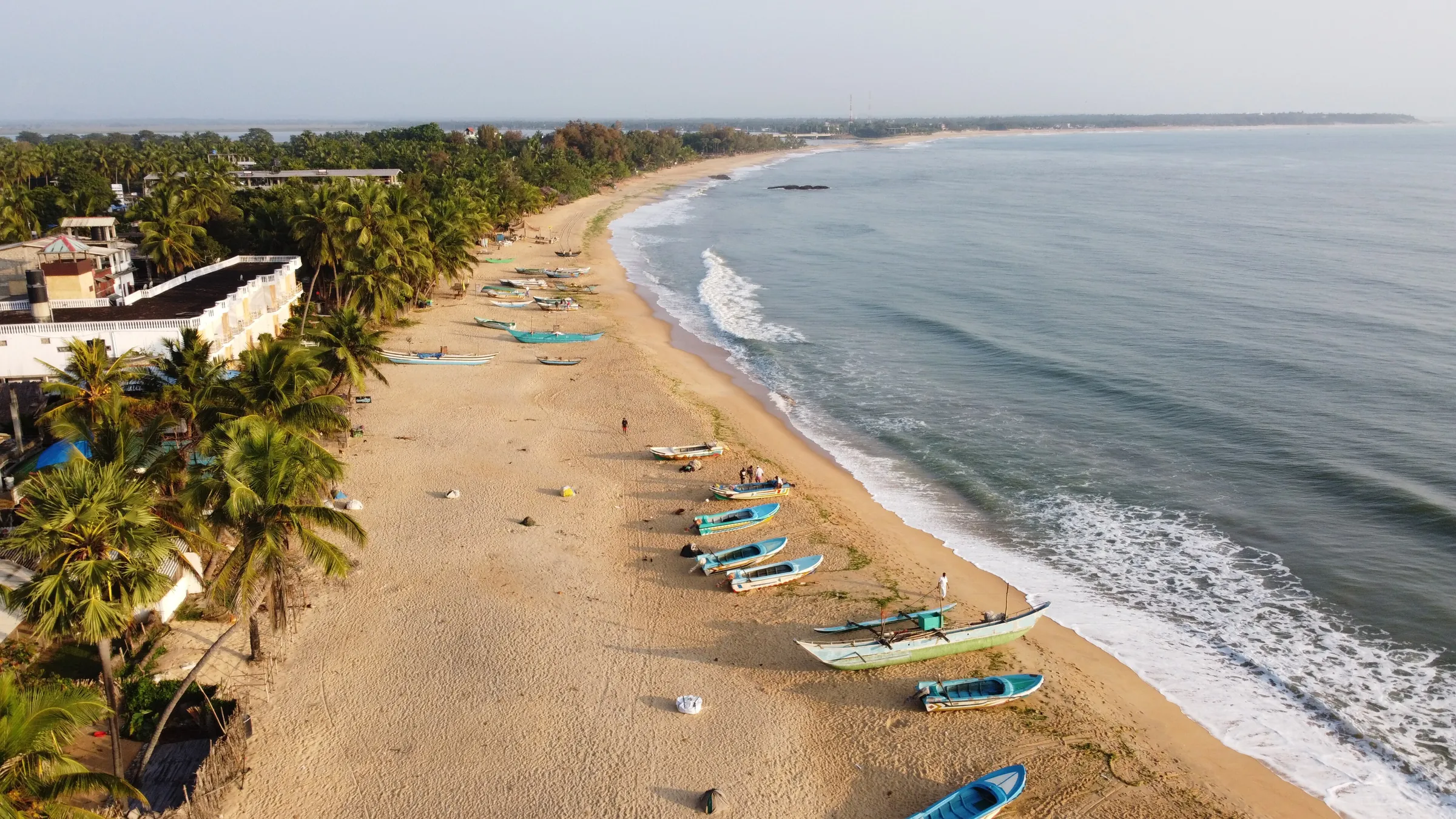
The east coast follows the reverse calendar of the south. The finest weather around Trincomalee, Pasikudah, and Arugam Bay runs from May to September. During these months, the sea is calm, water is clear, and days are hot and dry. Arugam Bay attracts surfers between June and August for its steady point breaks. Families travelling during summer school holidays often choose an east coast family itinerary for safe, swimmable seas.
The Cultural Triangle
The inland plains around Sigiriya, Dambulla, and Anuradhapura lie in the dry zone. They receive far less rainfall than the southern coast, making them rewarding to visit in almost any month. The driest window runs from May to September, when days are hot and sunny, making early-morning climbs of Sigiriya Rock advisable. November and December bring the heaviest rains, though showers are usually brief and rarely interfere with morning temple visits.
Wildlife calendars and festival seasons
Timing your trip for wildlife safaris or cultural pageants requires specific dates.
Whale watching seasons
Whale watching moves between coasts with the monsoons. Off the south coast at Mirissa, boats operate from November to April, peaking between December and March when seas are flat. Off Trincomalee on the east coast, the season runs from May to September, with blue whales and sperm whales feeding in deep underwater canyons near shore.
Safari seasons and the Yala closure
National parks offer wildlife viewing throughout the year. In Minneriya and Kaudulla, large herds of wild elephants gather around water reservoirs between July and October. In the south-east, Yala National Park offers sightings of leopards, sloth bears, and elephants, particularly as waterholes dry between May and August.
Yala usually closes its main sector, Block 1, for about a month from early or mid-September. This annual closure lets the habitat recover during peak drought and allows track maintenance. Other blocks of Yala and nearby parks like Bundala and Udawalawe remain open. Check dates before finalising your safari, as exact timings depend on annual rainfall.
Notable cultural festivals
The Kandy Esala Perahera is Sri Lanka's largest cultural pageant, held over ten nights in July or August. The procession features drummers, dancers, and decorated elephants carrying the sacred tooth relic. Kandy hotels book out months ahead, so early reservations are necessary.
The pilgrimage season at Adam's Peak (Sri Pada) runs from the December full moon to the Vesak full moon in May. During these months, trails are lit at night and food stalls open along the climb. Outside this period, paths are dark and exposed to strong monsoon winds.
Sri Lanka month by month
January
January brings peak dry weather to the south and west coasts, with calm seas and sunny days. The hill country is crisp, though nights in Nuwara Eliya are cold. Early booking is essential as visitor numbers are high.
February
February offers reliable sunshine and warm temperatures across most of the island. Southern beaches are dry, wildlife viewing in Yala is excellent, and the hill country enjoys clear days with steady visitor numbers.
March
March brings warm seas and hot afternoons to the south coast as the high season winds down. Daytime temperatures rise in the Cultural Triangle, and travel conditions remain good island-wide despite occasional late-afternoon showers.
April
April is one of the warmest months, with daytime heat across the lowlands. The island celebrates the Sinhala and Tamil New Year in mid-April, and coastal waters turn rougher towards the end of the month.
May
May brings the south-west monsoon, producing rain and rough surf along southern and western shores. In contrast, the east coast enters its dry season with calm waters at Trincomalee and low overall crowd levels.
June
June delivers steady sunshine to the east coast, where surf season at Arugam Bay begins in earnest. The Cultural Triangle is hot and dry, while the south-west sees regular showers between sunny mornings.
July
July is a dependable summer month for the east coast and the Cultural Triangle. Wild elephant herds gather around Minneriya's reservoirs, and the ten-day Kandy Esala Perahera often begins late in the month.
August
August continues the dry, sunny pattern on the east coast, with ideal conditions for swimming and surfing. The Kandy Esala Perahera fills the hill capital with pageantry, making August popular with summer holidaymakers.
September
September marks the end of the east coast dry season, with good conditions early in the month. Wildlife viewing is strong before the annual Yala Block 1 maintenance closure, and island-wide visitor numbers are low.
October
October is an inter-monsoon month with warm temperatures and frequent late-afternoon downpours. East coast waters turn choppy while the south coast prepares for dry weather, making an umbrella sensible despite sunny mornings.
November
November brings the north-east monsoon to Trincomalee and the northern plains, while south coast seas begin to calm. Whale watching boats start running again from Mirissa as the sea calms. The blue whales live off Sri Lanka all year; the season depends on the sea, not on migration.
December
December opens the peak season on the south and west coasts, with flat seas and sunny skies. The pilgrimage season at Adam's Peak begins on the full moon, and late December sees high hotel demand.
Planning your itinerary around the seasons
Because weather in Sri Lanka shifts by coast rather than by calendar month, you can travel at any time of year by matching your route to the seasons. We can plan this route around your dates, ensuring you travel through the sunniest regions during your stay. You can explore itinerary ideas with our trip planner or message us on WhatsApp to discuss your plans directly.
Questions people ask
Which is the best month to visit Sri Lanka overall?
February is widely considered the best single month to visit Sri Lanka. During February, the south and west coasts enjoy calm seas and dry beaches, the hill country has clear sunny days, and the Cultural Triangle sees little rainfall.
Is Sri Lanka worth visiting during the monsoon?
Yes, Sri Lanka is worth visiting during the monsoon because rainfall is regional. When the south-west experiences rain from May to September, the east coast enjoys calm seas and dry days. Most tropical rain falls in brief afternoon bursts, leaving mornings open for travel.
When is the cheapest time to visit Sri Lanka?
The shoulder months of May, June, September, and October offer the best value for travellers. During these periods, hotels reduce their rates, popular historic sites have fewer visitors, and private driver availability is high.
What is the best time of year to see wildlife in Sri Lanka?
For leopards in Yala and Wilpattu, the dry months from May to August offer the most consistent sightings around waterholes. For wild elephant herds, the Gathering at Minneriya peaks from July to October. Whale watching runs from November to April off Mirissa and May to September off Trincomalee.