Private Driver in Sri Lanka: How It Works and What to Expect
Plan your route with a private driver in Sri Lanka. Learn how daily travel works, driving times, tipping customs, vehicle options, and practical road rules.
Hiring a private driver in Sri Lanka provides a dedicated car and an experienced motorist from arrival to departure. Your driver handles all route navigation, traffic, parking, and expressway tolls. You can explore ancient ruins, tea estates, and beaches without managing luggage or transport timetables.
Each morning, you agree on a departure time and travel at your own pace. Luggage stays locked inside the car during sightseeing visits. For most visitors, this is the most reliable way to tour the island, offering flexibility that public transport and self-drive rentals cannot match.
Understanding guide and driver roles
Tourism transport in Sri Lanka follows specific professional roles. Formal training determines whether your driver can guide inside monuments or solely manage the vehicle.
| Role | Training | Group size | Scope |
|---|---|---|---|
| Tourist driver | Four-day course | Any | Drives and handles logistics. Does not guide inside monuments. |
| Chauffeur-guide | Five-month programme | Up to 7 | Drives the vehicle and guides travellers island-wide. |
| National guide | Five-month programme | Over 7 | Guides island-wide alongside a separate driver. |
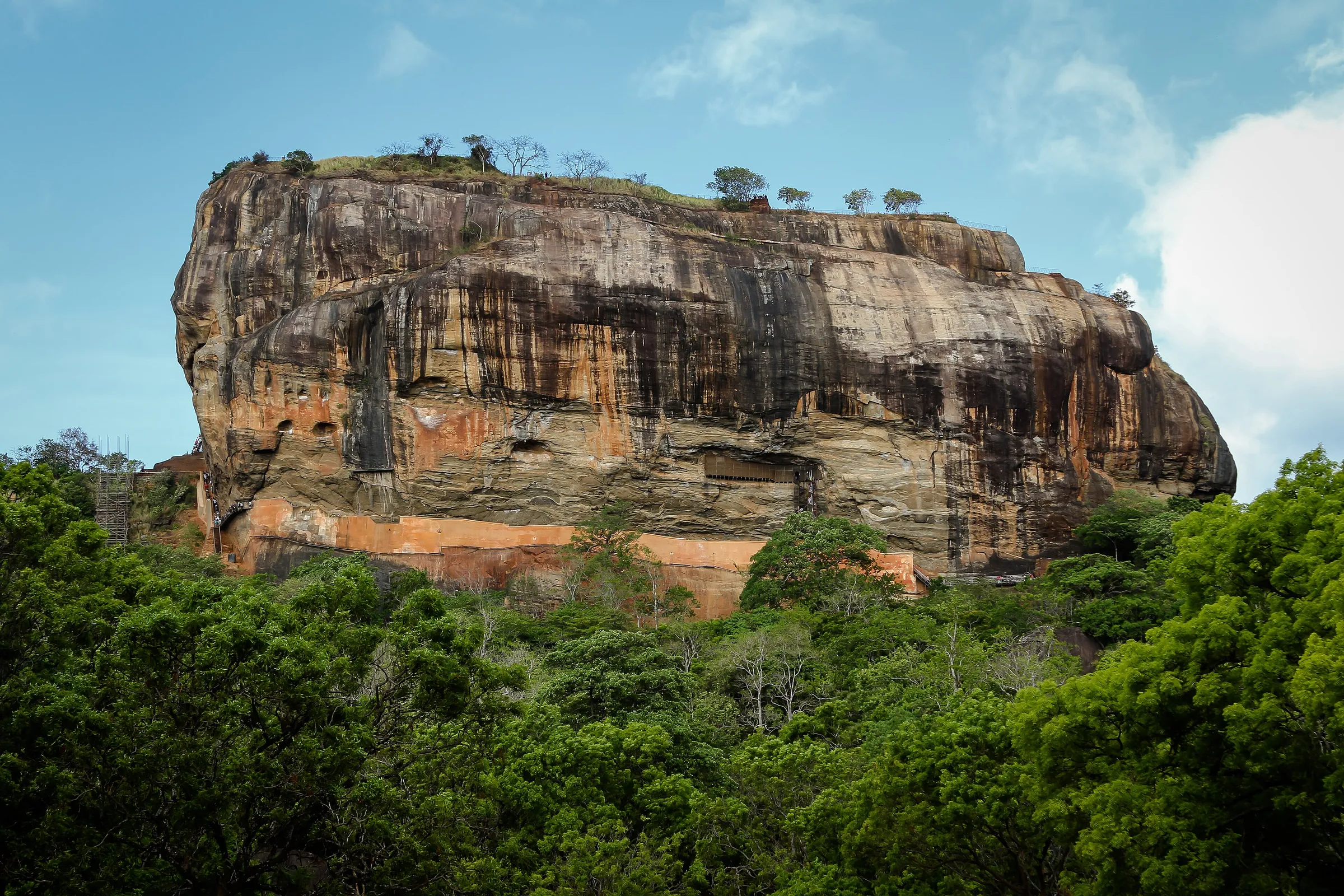
| Site guide | Local training | Any | Guides within a single designated site, such as Sigiriya. |
For groups up to seven, a chauffeur-guide is standard. Inside national parks like Yala, road cars stay outside; you transfer to a four-wheel-drive safari jeep with a park tracker, accompanied by your chauffeur-guide.
Why hire a private driver in Sri Lanka
Most visitors hire a private driver in Sri Lanka rather than attempting to self-drive or rely on public transport. Regional travel requires local road familiarity.
Vehicles drive on the left. Speed limits are 50 km/h in towns, 70 km/h on open highways, and 100 km/h on expressways. Elsewhere, speeds drop to 30 to 45 km/h behind buses, three-wheelers, and slow traffic. The UK Foreign, Commonwealth & Development Office (FCDO) warns of erratic driving and frequent accidents, particularly at night. Sri Lanka records over 2,500 road deaths annually.
Self-driving involves extra paperwork. An International Driving Permit (IDP) alone is not valid. Foreign drivers need a temporary local permit. The Department of Motor Traffic operates an airport counter at Bandaranaike International Airport (BIA), where holders of a domestic driving permit valid for at least one year can apply on arrival. Published fees start at 15,000 LKR for one month. However, permit validity periods and fee tiers change, so verify exact details before travel. Alternatively, the Automobile Association of Ceylon (AAC) issues recognition permits only to visitors presenting an IDP alongside their home permit.
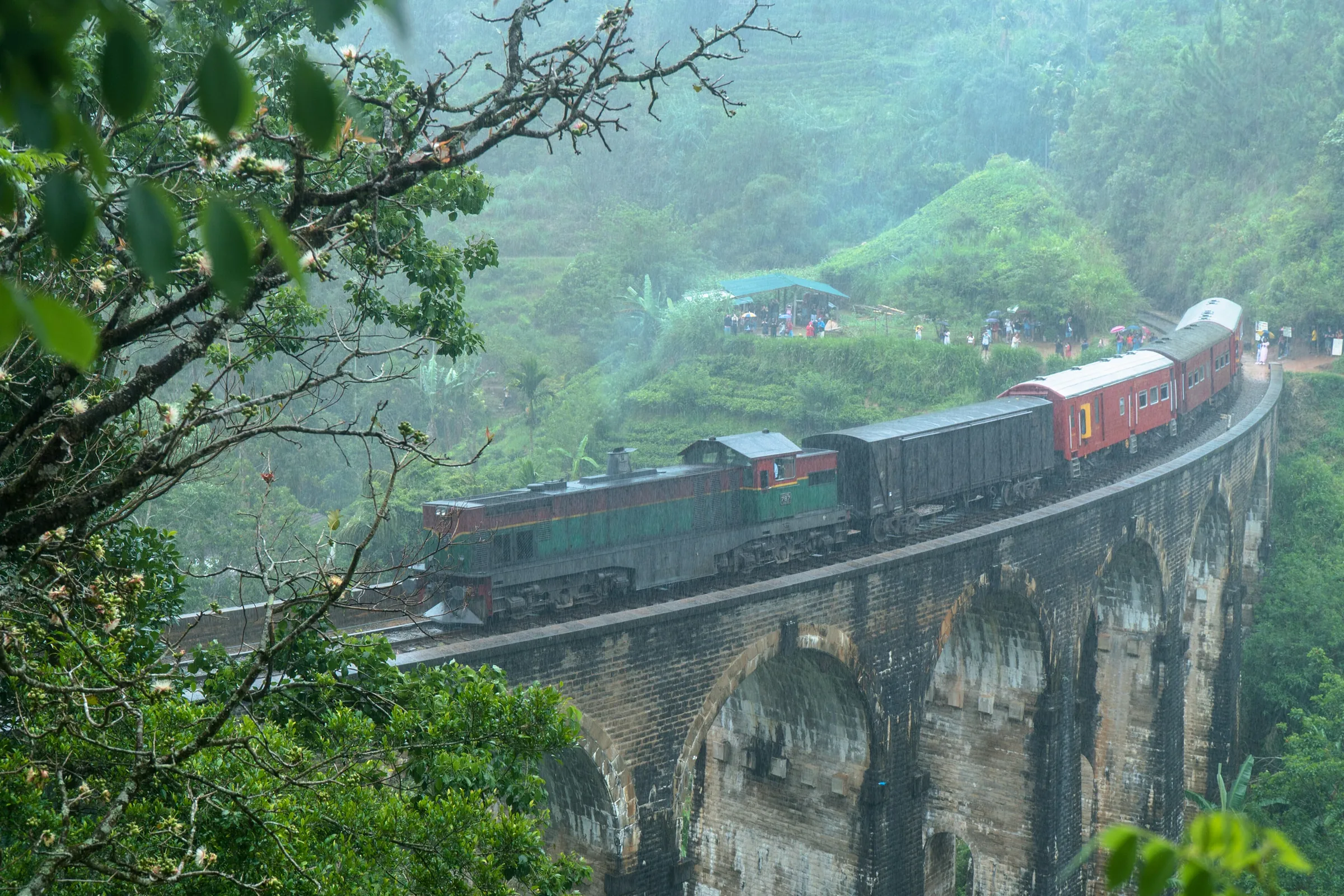
Public buses run frequently but are crowded and lack luggage space. Scenic train seats open 30 days ahead, require passport numbers, and sell out quickly. Sections between Kandy and Nanu Oya faced repairs after Cyclone Ditwah in 2026. Track reopening dates change frequently, so check rail timetables close to travel. A private vehicle lets you take the scenic train from Nanu Oya to Ella while your driver takes your luggage ahead by road. Explore regional routes in our destinations guide.
Daily travel routines and inclusions
A typical touring day runs eight to ten hours, with driving usually kept to four or five hours on transfer days. Drivers remain available for short local dinner trips in the evening.
Driver accommodation and meals
Most established mid-range and luxury hotels provide dedicated driver quarters and meals on site, free or for a nominal fee.
Small boutique hotels, tea bungalows, and private villas often lack staff quarters. In these cases, your driver stays at a local guesthouse in the nearest town. Check beforehand whether your transport quote includes this guesthouse allowance or if you pay a nightly supplement. Driver lodging policies at boutique properties change over time, so verify these details close to your travel date.
What is covered in a transport booking
Standard transport bookings cover the vehicle, driver or chauffeur-guide services, fuel, parking fees, and expressway tolls. Confirm whether your route includes unlimited kilometres. Toll tariffs on expressway routes change periodically and are usually included in upfront quotes.
Entrance tickets for heritage sites, park fees, safari jeep hire, train tickets, personal accommodation, and meals are not included in transport-only bookings. For an all-in-one itinerary covering accommodation and transport, our all-around introduction tour and wider selection of private Sri Lanka tours show how travel stages connect.
Choosing the right vehicle and luggage space
Vehicle choice depends on party size and luggage volume, as saloon boots in Sri Lanka have limited space.
- 1 to 2 passengers: Saloon (such as a Toyota Axio, Corolla, or Prius) or compact SUV, fitting two adults with two large suitcases.
- 3 to 4 passengers: Large SUV or passenger van (such as a Toyota HiAce or KDH), offering generous legroom and space for four large bags.
- 5 to 10 passengers: High-roof Toyota KDH van for five to eight adults with luggage, or a small coach (such as a Toyota Coaster) for larger parties.
Air-conditioning is standard across tourist vehicles and essential in lowland heat. In the cooler central hills around Nuwara Eliya and Ella, many travellers prefer opening windows on quiet stretches.
Child car seats are not required by law in Sri Lanka and are rarely fitted in standard vehicles. Reliable operators can arrange an infant carrier, child seat, or booster if requested in advance. Ask for photos beforehand, confirm three-point rear seat belts, or bring your own travel seat.
Tipping etiquette and shopping stops
Tipping is customary in Sri Lanka rather than mandatory. There is no official government tipping scale, and norms change according to party size and travel style. Industry guidelines suggest:
- Private driver (driving only): 10 to 20 US dollars per day (roughly 3,000 to 6,000 LKR), or 2,000 to 4,500 LKR per day on simpler journeys.
- Chauffeur-guide: 15 to 40 US dollars per day per vehicle, reflecting both driving and daily guided commentary.
- National guide with separate driver: Tipped similarly to a chauffeur-guide, with a smaller separate daily tip for the driver.
Customary practice is to present the tip as a single lump sum at the end of the trip in an envelope during final drop-off. Sri Lankan rupees are preferred. If tipping in US dollars, ensure notes are clean and free of tears, as local banks reject damaged foreign currency.
Commission stops and shops
Along major routes, drivers may suggest stops at spice gardens (notably between Matale and Kandy), gem showrooms in Kandy, woodcarving workshops, or tea centres. Many of these shops pay driver commissions on sales, and showroom prices reflect those margins.
Some spice gardens offer an interesting walk, but sales talks afterwards can feel persistent. You are under no obligation to visit. Tell your driver on the first morning that you prefer to focus on sightseeing and skip commercial shops. If a stop is suggested, a polite refusal is entirely acceptable. To buy spices or Ceylon tea, ask to stop at a local supermarket or an authentic estate factory shop.
Realistic driving times and road safety
Planning realistic driving times is vital across Sri Lanka. Road safety is the primary reason to choose an experienced driver. Seat belts have been compulsory for front-seat passengers since 2011. On 19 September 2026, authorities introduced strict enforcement and fines for seat belt use across all seating positions on expressways, including rear seats. Rules on secondary roads continue to evolve, so check regulations close to your travel date and ensure every seat in your vehicle has a working three-point belt.
Do not plan your itinerary around map distances. The table below details realistic road times between common stops:
| Route | Road distance | Realistic driving time | Route conditions |
|---|---|---|---|
| Colombo Airport (BIA) to Sigiriya | about 145 km | 3.5 to 4.5 hours | Central Expressway sections and busy main roads; allow extra time in morning peak hours. |
| Kandy to Ella | 130–140 km | 4 to 5 hours | Winding hill roads with slow lorries and mist; allow extra time for viewpoints. |
| Ella to Yala (Tissamaharama or Palatupana) | 90–107 km | 2.5 to 3.5 hours | Descent from the central hills to the southern dry zone; no train service runs this route. |
| Galle (South Coast) to Colombo Airport (BIA) | 150–155 km | 2 to 2.5 hours | Toll highway via Southern Expressway (E01) and Airport Expressway (E03). Add 30 to 60 minutes from Mirissa. |
Keep driving to a maximum of four to five hours per day on transfer stages. Mountain driving is demanding, and shorter journeys prevent travel fatigue. Keeping drives within daylight hours avoids nighttime hazards, including unlit rural roads, stray livestock, and wild elephants crossing rural roads in the Cultural Triangle and around Yala.
Questions to ask before booking
Before paying a deposit for a private tour, confirm these practical points in writing:
- Driver role: Will your group have a chauffeur-guide qualified to guide inside heritage sites, or a driver handling transport only?
- Vehicle details: What is the precise model and year, how many large suitcases fit in the luggage space, and do all seats have three-point belts?
- Cost inclusions: Does the quote cover fuel, parking fees, expressway tolls, and unlimited kilometres, or does a daily distance limit apply?
- Driver overnight expenses: Is driver accommodation and food covered when staying at boutique hotels or villas without staff quarters?
- Shopping policy: Does the company maintain a clear policy against unsolicited commercial shopping stops?
- Vehicle backup: What procedures exist if the car breaks down or the driver becomes unwell?
- Child equipment: Can you supply an appropriate child car seat, and can you share a photo of it before arrival?
We can plan this route around your dates, matching the driving pace and vehicle size to your travel group. You can draft an itinerary using our trip planner or send us a message on WhatsApp to discuss your plans directly. Every journey includes a dedicated car and English-speaking driver-guide from start to finish.
Questions people ask
Is it safe to travel with a private driver in Sri Lanka?
Yes, travelling with an experienced private driver is widely regarded as the safest way to navigate Sri Lanka. Professional drivers understand local road conventions, overtaking habits, and regional hazards. Select an established tour company, verify that all passenger seats have working seat belts, and keep daily driving hours moderate to avoid driver fatigue.
Do I need to pay for my driver's hotel room and meals?
At standard mid-range and luxury hotels, you do not pay for your driver's accommodation or meals because these properties provide dedicated driver quarters. When staying at small boutique hotels, tea bungalows, or private villas that lack staff accommodation, your driver stays at a local guesthouse. Confirm in advance whether your booking includes this guesthouse allowance or whether you pay a nightly supplement.
Can I still take the scenic hill country train if I have a private driver?
Yes, combining a private vehicle with a scenic train journey is one of the most rewarding ways to experience the highlands. Your driver drops you at the departure station, transports your heavy suitcases ahead by road, and meets you on the platform when your train arrives. Reserve your train tickets 30 days in advance, as peak-season seats sell out quickly.
Should I tip my driver every day or at the end of the trip?
The customary practice in Sri Lanka is to present a single lump-sum tip at the end of the journey rather than tipping daily. Place the money in an envelope and hand it to your driver during final drop-off at the airport or your closing beach hotel. Sri Lankan rupees are preferred, though clean foreign currency notes in good condition are also accepted.