Best Safari in Sri Lanka: How to Choose Your National Park
Compare Yala, Wilpattu, Udawalawe and Minneriya to find the best safari in Sri Lanka. Route planning, wildlife seasons, entry fees and ethical travel advice.
Choosing the best safari in Sri Lanka comes down to two factors: the wildlife you want to see and how your route moves across the island. For dependable wild elephant herds year-round, choose Udawalawe. For the highest statistical probability of encountering a leopard, choose Yala, though popular tracks carry heavy vehicle traffic. If you prefer quiet woodland tracks with leopards and sloth bears without crowds, choose Wilpattu.
If travelling between July and October, add Minneriya or Kaudulla to see the seasonal elephant Gathering in the Cultural Triangle. For quiet coastal birdwatching, select Bundala in the south or Kumana in the east. If you prefer a break from dusty tracks, Gal Oya offers boat safaris across Sri Lanka's largest reservoir.
How to choose the best safari in Sri Lanka
Driving times in Sri Lanka depend on narrow roads, hill descents and local traffic rather than straight-line distance. Add a 20 to 30 per cent time buffer to map estimates. Travel durations change with weather, roadworks and animal crossings, so check realistic timings close to your travel date with your driver-guide. Avoid driving near park boundaries after dark, as wild elephants cross rural roads at night.
| Park | Best for | Best months | Driving time from common bases | Crowd level |
|---|---|---|---|---|
| Yala | Leopards, sloth bears, elephants | Feb–Jul (Blocks 1–2 close ~Sep–Oct) | Ella: 2–2.5 hrs; Galle: ~175 km / 3.5–4.5 hrs | Very high (Block 1); low (Block 5) |
| Wilpattu | Leopards, sloth bears, quiet forest | Feb–Oct (bears May–Jul) | Sigiriya: ~142 km / 2.5–4 hrs; Ella: ~297 km / ~7 hrs | Low to moderate |
| Udawalawe | Elephants year-round, open plains | Year-round (driest May–Sep) | Ella: ~90–110 km / 2–3.5 hrs; Galle: ~139 km / ~2.5–3 hrs | Moderate |
| Minneriya / Kaudulla / Hurulu | Elephant Gathering (200–300 herds) | Jul–Oct (peak Aug–Sep); Hurulu Nov–Jun | Sigiriya: ~45 min; Habarana to Kaudulla: 20–30 min | High in Aug–Sep; low off-peak |
| Bundala | Flamingos, waders, wetlands | Sep–Mar (peak Jan–Feb) | Galle: ~122 km / ~1.75–2.5 hrs; Tissamaharama: ~30 min | Low |
| Kumana | Waterbirds, quiet Yala alternative | Apr–Jul (nesting); May–Sep (dry) | Ella to Arugam Bay: ~130–134 km / 3–4.5 hrs, plus ~45–60 min | Very low |
| Gal Oya | Boat safaris, swimming elephants | May–Sep (wildlife Mar–Jul) | Ella: ~131 km / 2.5–4 hrs; Arugam Bay: 60–70 km / 1.5–2 hrs | Very low |
Sri Lanka safari parks in detail
Yala National Park
Yala drew nearly 390,000 visitors in early 2025. Block 1 holds at least one leopard per square kilometre, yielding frequent sightings but heavy vehicle jams. Around 552 jeeps operate here, with 500 permitted daily. Authorities plan to cap entries at 250 to 300 jeeps with GPS trackers, though enforcement rules change, so check locally close to your date. Palatupana gate handles 85 per cent of traffic; Katagamuwa gate offers shorter queues, while Block 5 via Galge provides quiet tracks. Blocks 1 and 2 close during the late dry season (14 September to 15 October in 2026); dates change yearly with rainfall, so check close to your date.
Wilpattu National Park
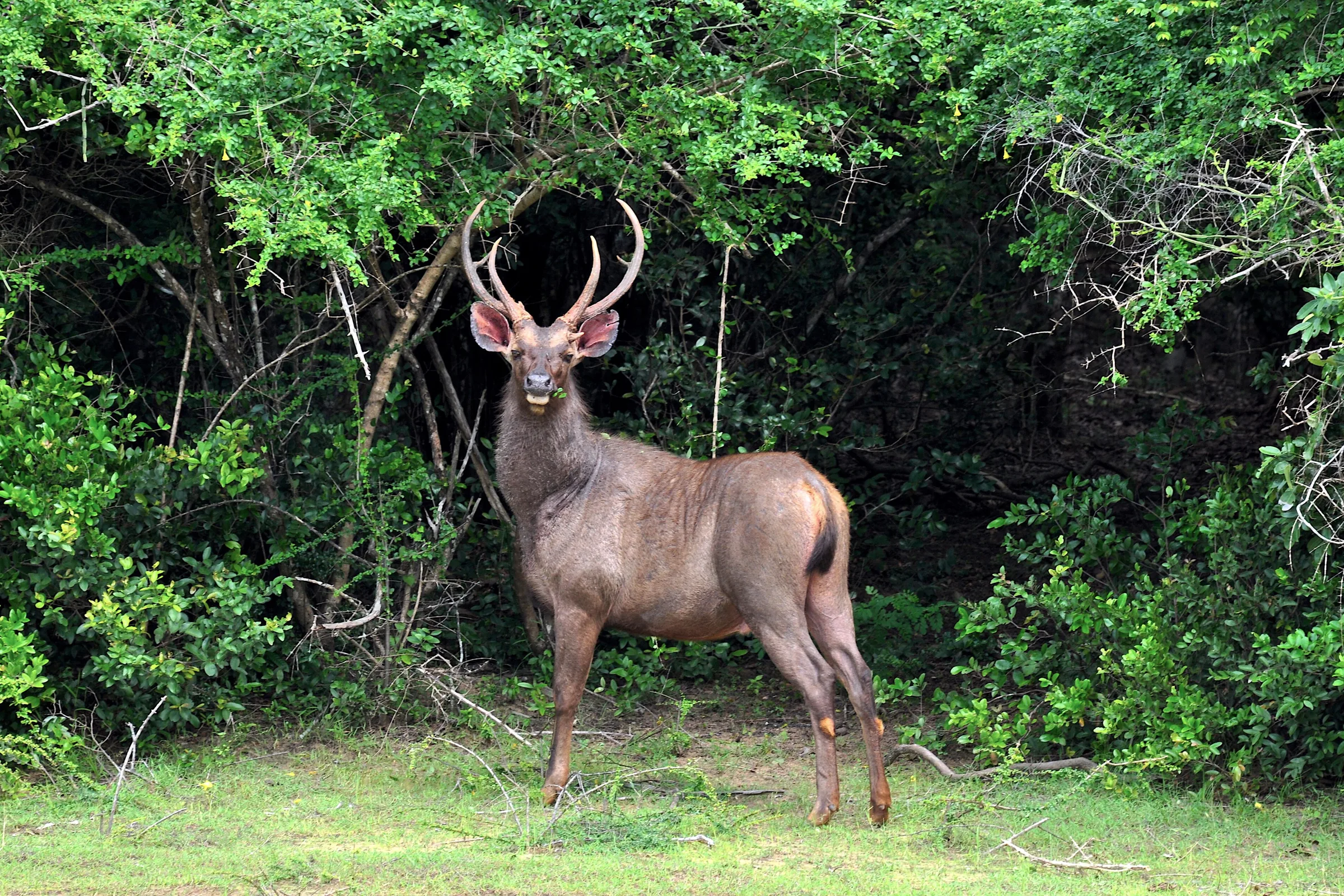
Covering 1,317 square kilometres in the north-west, Wilpattu is Sri Lanka's largest and oldest national park, established in 1938. Its dense forest and sand-rimmed lakes (villus) allow quiet tracking of leopards and sloth bears without vehicle queues. May to July is peak season for sloth bears feeding on ripe palu fruit. The dry season spans February to October, while the north-east monsoon between October and January can make tracks muddy. From Sigiriya, Wilpattu is 142 kilometres, or 2.5 to 4 hours by road.
Udawalawe National Park
Centred on an open reservoir between the hill country and the south coast (2 to 3.5 hours from Ella over 90 to 110 kilometres, and 2.5 to 3 hours to Galle over 139 kilometres), Udawalawe is Sri Lanka's most dependable park for wild elephants year-round. Herds graze openly alongside buffalo, mugger crocodiles, jackals and deer, with far less vehicle congestion than Yala. Leopards are rarely seen.
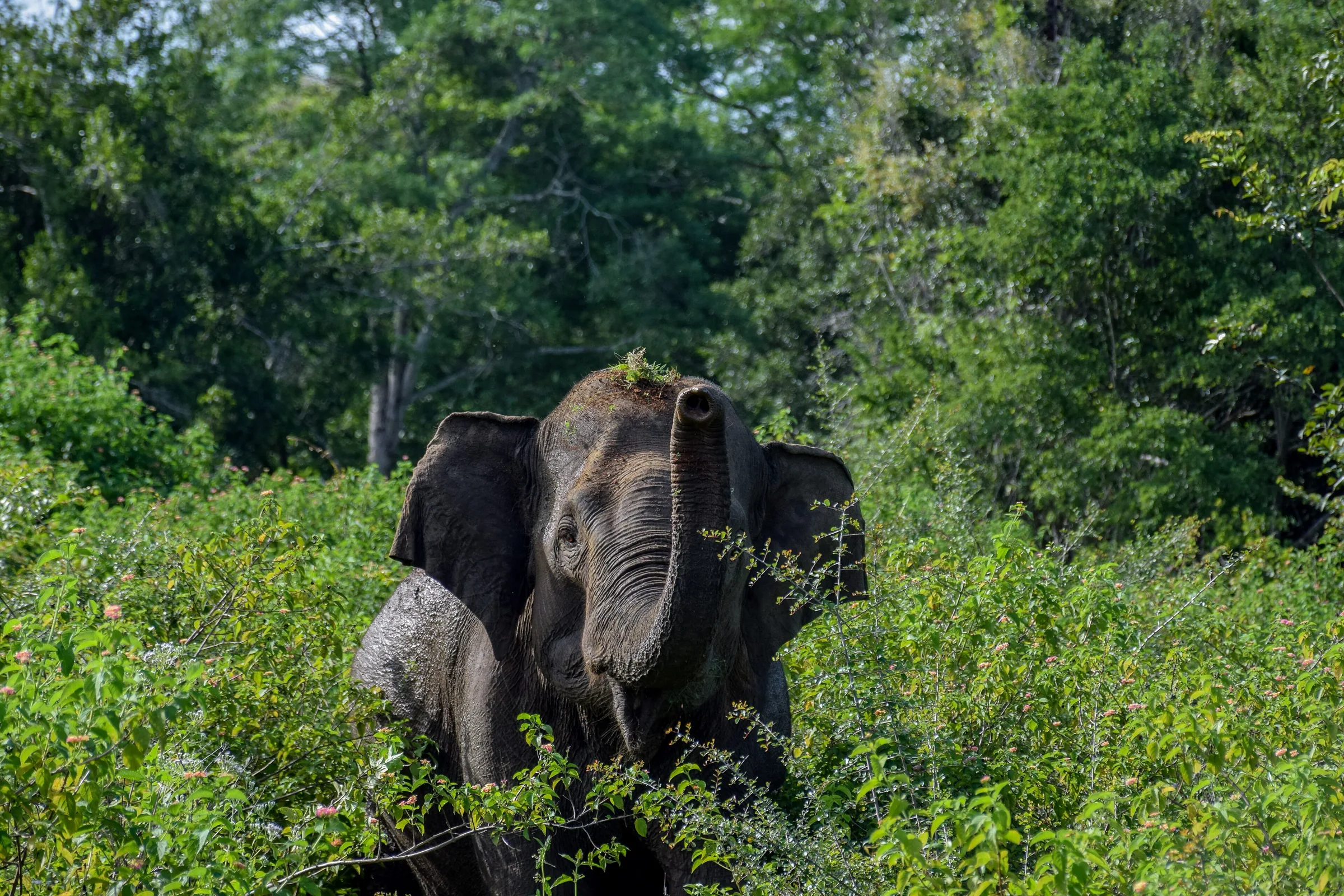
Twenty minutes from the gate, the Department of Wildlife Conservation Elephant Transit Home rehabilitates orphaned calves for wild release. Visitors observe milk feedings from behind a barrier without physical contact. Feeding schedules change, so check times close to your travel date.
Minneriya, Kaudulla and Hurulu Eco Park
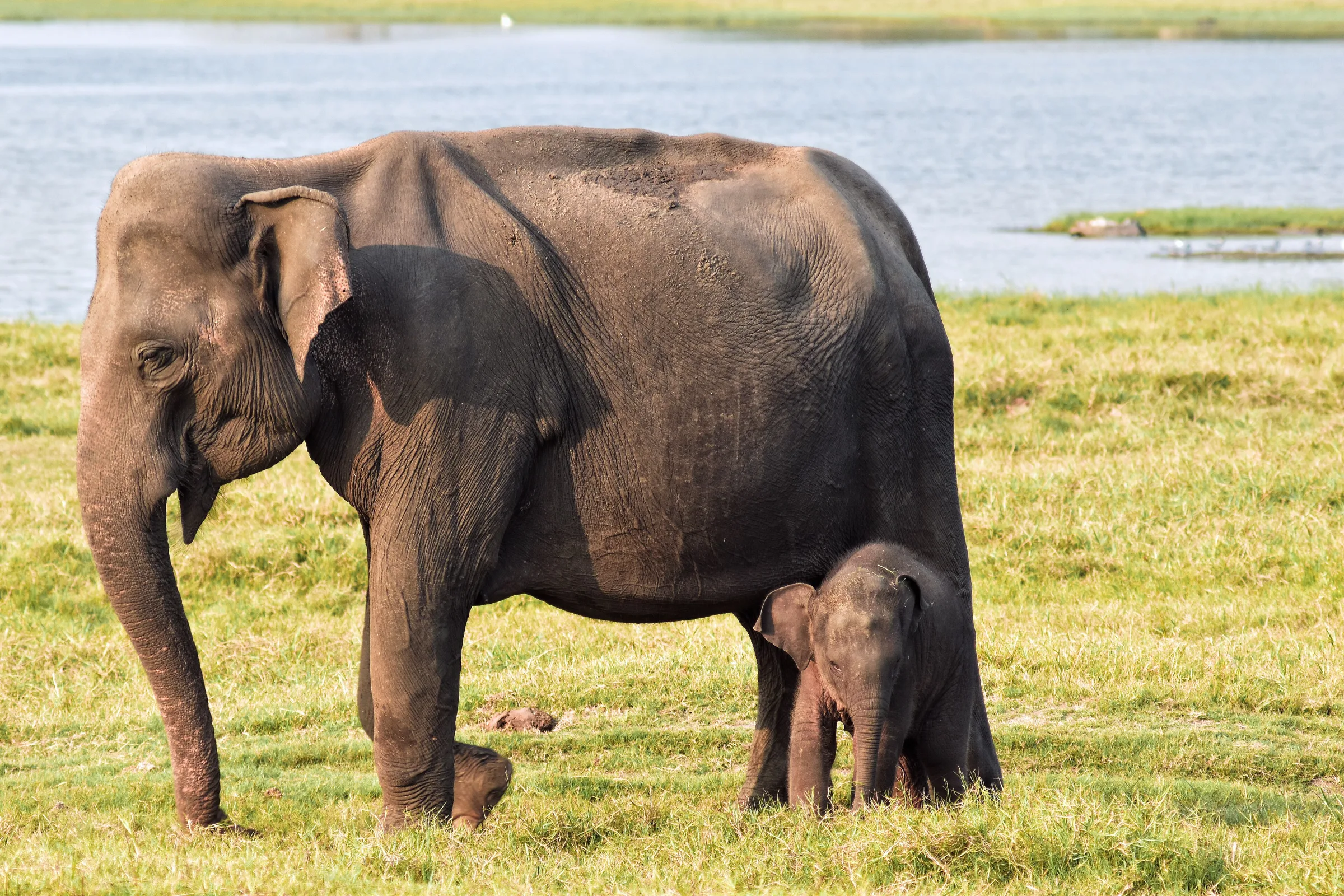
These three Cultural Triangle reserves share a wandering elephant population. Between July and October, 200 to 300 elephants gather on exposed grassland at Minneriya Tank (45 minutes from Sigiriya). This Gathering peaks in August and September during afternoon drives (15:00 to 17:30). As water levels drop, herds move to nearby Kaudulla (20 to 30 minutes from Habarana), then shift to Hurulu Eco Park when rains begin in November. Because herd locations change week to week based on rainfall, check close to your travel date with your driver-guide the evening before.
Bundala and Kumana National Parks
Both reserves are Ramsar wetlands offering uncrowded birdwatching. Bundala, 30 minutes from Tissamaharama and 1.75 to 2.5 hours from Galle (122 kilometres), was named Sri Lanka's first Ramsar site in 1991 and a UNESCO Biosphere Reserve in 2005. It shelters 230 bird species, including greater flamingos from September to March (peaking January and February). Kumana, south of Arugam Bay (3 to 4.5 hours from Ella plus 45 to 60 minutes), features the 200-hectare Kumana Villu swamp where pelicans, spoonbills and rare black-necked storks nest from April to July. Monsoon rains can close tracks between October and January; check access close to your travel date.
Gal Oya National Park
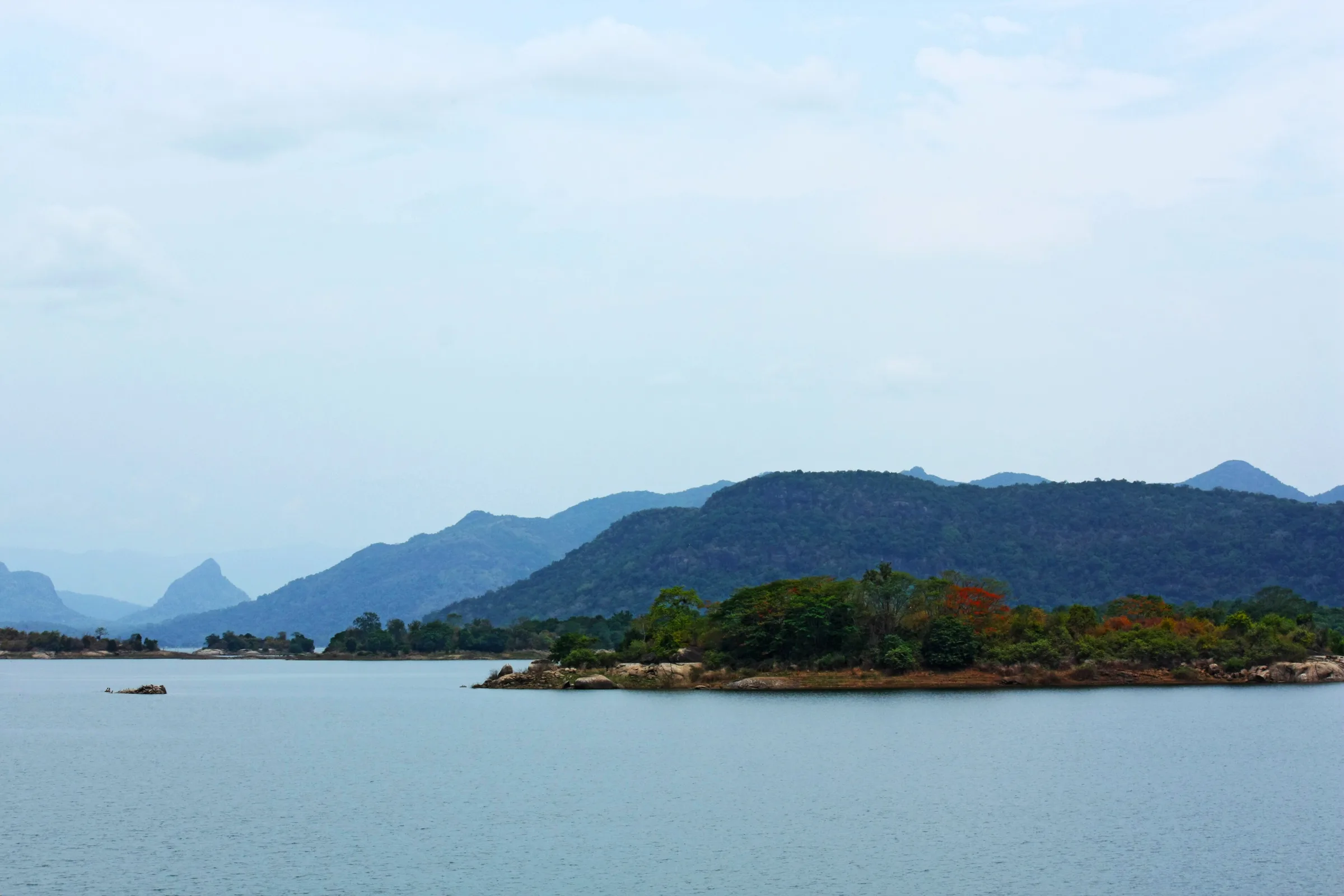
Gal Oya is Sri Lanka's only national park explored primarily by boat. Two-hour motorboat safaris cross Senanayake Samudraya from Inginiyagala (06:30, 09:30 and 15:30 departures), situated 2.5 to 4 hours from Ella (131 kilometres) and 1.5 to 2 hours from Arugam Bay. Between May and September (prime wildlife March to July), elephants occasionally swim between islands. Sightings are not guaranteed, but the reservoir shelters over 150 bird species, crocodiles and deer. Shared boat trips cost USD 55 to 80 per person; private charters cost USD 150 to 250.
Safari timings, permits and practical costs
Morning, afternoon or full-day drives
Parks open daily from 06:00 to 18:00 with strict exit enforcement. Morning safaris (06:00 to 10:00) bring cooler air and active leopards and sloth bears. Afternoon drives (14:30 to 18:00) suit elephants gathering at reservoirs in Minneriya, Kaudulla and Udawalawe. Full-day drives suit dedicated photographers, but two separate half-day drives are more comfortable for most travellers because midday heat drives wildlife into shade.
Park entry fees and jeep hire
Tour cars cannot enter national parks; visitors transfer into safari jeeps at hotels or gates. At major Department of Wildlife Conservation (DWC) parks (Yala, Wilpattu, Udawalawe, Minneriya, Kaudulla), adult entry is roughly USD 35 and children aged 6 to 11 are USD 18 (under 6 free). Adding vehicle levies (LKR 1,650), service charges (LKR 800 to 1,000) and 15 per cent VAT brings gate totals to roughly USD 45 to 50 per adult. Hurulu Eco Park costs USD 15 to 25. The DWC opened an e-permit portal in August 2025, though gates accept LKR cash or cards. Carry cash in LKR, as remote card machines can lose signal. Private jeeps with a driver cost USD 40 to 55 for half-day hire and USD 75 to 95 for full-day hire. Tariff rates change, so check current fees on the DWC portal close to your travel date.
What to wear and pack
Wear neutral colours such as khaki, olive, beige or stone. Pack a light windproof layer for 05:30 departures, a sun hat, high-SPF sunscreen, sunglasses and a scarf for dust. Binoculars are essential for birdwatching at Bundala and Kumana. Carry camera dust protection, water bottles and cash in LKR for tickets and tips.
Wildlife ethics and captive elephant attractions
Responsible safari conduct protects wildlife. Ask your driver-guide to arrange a safari driver who switches off engines at sightings, keeps at least 25 to 30 metres from leopards (50 metres from females with cubs), avoids chasing animals and pulls back if four or five jeeps gather. Never feed wild animals, and remain inside your vehicle except at designated park stations.
Avoid commercial orphanages, elephant rides and bathing attractions. Welfare groups including Responsible Travel and Born Free have documented severe concerns at Pinnawala Elephant Orphanage, including captive breeding for tourist revenue, chaining bull elephants during musth, using the ankus (bullhook) and photo sessions. Instead, observe wild herds in national parks, or visit the Elephant Transit Home in Udawalawe, where calves are rehabilitated without tourist contact.
Planning your safari route with a private driver
A national park safari links naturally with regional highlights. In the Cultural Triangle, pair morning visits to Sigiriya with an afternoon drive in Minneriya. Further south, add wildlife to our Elephants and Beaches itinerary, or focus on big cats on the Leopard Safari Camp journey. Along the south coast, the Turtles and Safari route connects Udawalawe or Yala with coastal conservation centres and historic Galle. For wider route ideas across each region, consult our destinations guide.
We can plan a private safari itinerary around your dates and travel pace, arranging comfortable vehicles and experienced safari trackers. Visit our trip planner to explore route ideas, or message our team directly on WhatsApp to discuss your journey.
Questions people ask
Which national park is best for a first safari in Sri Lanka?
Udawalawe is best for wild elephants in open grassland with moderate vehicle numbers. If seeing a leopard is your priority, choose Yala Block 1 for the highest odds, or Wilpattu for quiet woodland tracking. Many first-time visitors combine Minneriya in the Cultural Triangle with Udawalawe or Yala in the south.
When does the Minneriya elephant Gathering take place?
The Gathering occurs from July to October, peaking in August and September around Minneriya Tank. Because herds move between reserves depending on water levels, confirm locations close to your date with your driver-guide.
Do I need to book safari tickets in advance in Sri Lanka?
Park permits can be bought online through the DWC portal or at park gates. Reserving a private jeep in advance is advised during peak months, and fees change so check current rates before travel.
Are elephant orphanages in Sri Lanka ethical to visit?
Facilities offering rides, bathing or commercial orphanages are discouraged by welfare groups over captive breeding and chaining. For an ethical encounter, watch wild herds in national parks or visit Udawalawe's Elephant Transit Home.